In the United States, Daylight Savings Time started in the early 1900’s as a way to cut energy use. Today, many Americans think it’s no longer worth the hassle. And you might not think that the “spring forward” and “fall back” of Daylight Savings Time could throw off your cat or dog’s busy schedule of eat, sleep, eat, sleep, repeat. But as it turns out, some animals are so in tune with their owners’ schedules that those 60 minutes can cause some confusion in pets.
Just like humans, animals have internal clocks that tell them when to eat, sleep and wake up. This biological timekeeper, also known as circadian rhythm, is set in motion by natural sunlight. However, for household pets this effect is minimized by the artificial environment they live in, where light comes on not with the rising sun but with the flip of a switch. Pets may not be wearing the latest Apple watch, but they definitely know what time it is!
Animals that live with humans develop routines related to human activity. For example, dogs become accustomed to going for walks or being fed at a particular time of day. Cats are often waiting near the front door when it is time for their humans to come home from work. When humans apply daylight saving time to their own lives, if they carry out their routine according to the clock, the animals can become confused.
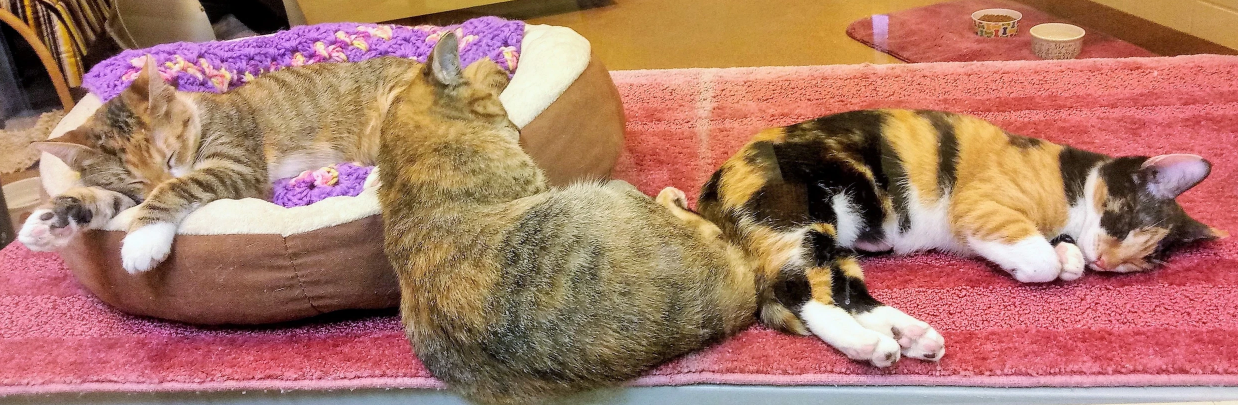
There was confusion in my household this morning as my cats, who are normally fed at 730am to start their day, climbed onto my chest at 630am to let me know that it was time for breakfast. After I filled their food bowls, it was time for me to “fall back” into bed and enjoy that extra hour on a lazy, rainy Sunday morning.