To those who read my blog:
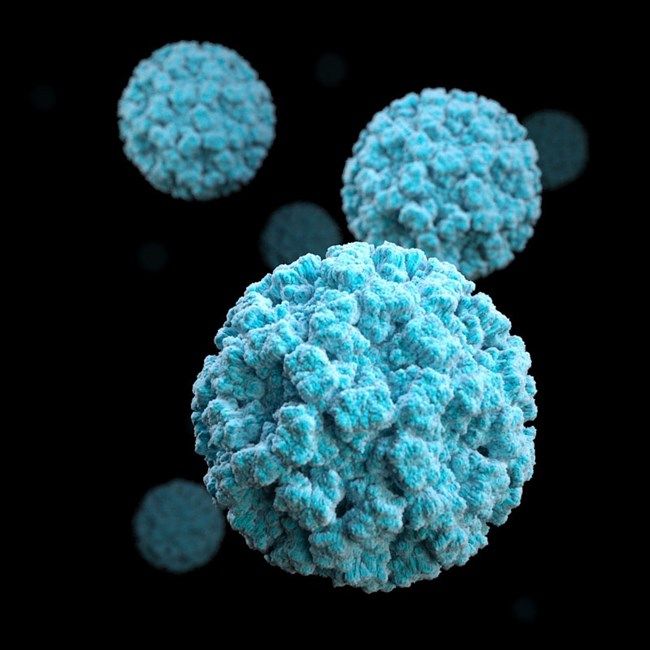
I will be taking a brief hiatus from pet photography and this blog due to health reasons. Over the Christmas holidays I (along with 10 family members) contracted the highly contagious Norovirus, also known as the winter vomiting bug. People often associate the Norovirus with cruise ships, but that was not the case with my family and I. And while I am past the worst of it, I am still feeling run down and lethargic, and following my doctor’s (and mom’s) orders of rest and hydration.
You can get Norovirus from:
- Having direct contact with an infected person
- Consuming contaminated food or water
- Touching contaminated surfaces then putting your unwashed hands in your mouth
Symptoms usually last 1 or 2 days. However, during that brief period, people can feel very ill and vomit, often violently and without warning, many times a day (100% accurate).
Symptoms usually begin 24 to 48 hours after ingestion of the virus, but can appear as early as 12 hours after exposure. There is no evidence that sick persons can become long-term carriers of the virus, but the virus can be in the stool and vomit of infected persons, from the day they start to feel ill to as long as 2 weeks after they feel better. Norovirus illness is not related to the flu, which is caused by influenza virus.
During the time I was horribly ill with this nasty virus, it caused me to wonder if this could in fact be contagious to my beloved dog and cats. Fortunately, Norovirus is not transmissible from humans to animals. But there are a number of diseases that are transmissible from humans to animals.
Zoonosis is any disease or infection that is naturally transmissible from animals to humans. Some examples include rabies, ringworm, Toxoplasmosis and a number of bacterial infections which can be picked up by hand-to-mouth contact, or by contamination of a human skin wound. Simple attention to prevention, including vaccination and basic hygiene, are usually sufficient to keep these potential problems under control.
Reverse zoonoses are diseases that pets can pick up from people. They are rare, but they do occur. So what sort of diseases should owners be aware of, so that they can protect their pets from their owners’ maladies?
1. Ringworm
Ringworm, or dermatophytosis, is an infection of the skin affecting humans as well as animals. Despite its name, ringworm is caused by a fungus, not a parasite or worm. In humans, it causes circular areas of redness (1 – 2cm diameter) which can be itchy. In dogs and cats, it can cause similar circular patches of baldness, although a more generalised form, without obvious visible signs sometimes occurs. Ringworm is transmitted by direct contact with an infected individual (human or animal) as well as via contaminated objects such as brushes, clothing or towels. Ringworm generally responds well to treatment in both humans and pets, but it can cause scarring, especially in human scalp infections, so it needs to be taken seriously. If you develop suspicious skin lesions, avoid close contact with your pets until your doctor has ruled out ringworm. And if your pet – dog or cat – has signs of skin disease, avoid close contact until you have confirmed with your vet that ringworm is unlikely to be the cause. Ringworm is perhaps the most common two-way human-animal infectious disease.
2. Influenza
The first recorded case of fatal human-to-cat transmission of the pandemic H1N1 flu virus occurred in Oregon in 2009. The pet owner became severely ill with the flu and had to be hospitalized. While she was still in the hospital, her cat also died of pneumonia caused by H1N1 infection. Since then, cats, dogs and even ferrets have been identified with pandemic H1N1 infection that appears to have come from humans. The signs of illness have been similar to those seen in humans, with respiratory disease, inappetance and rarely, death. Serological studies have suggested that exposure – and reaction – to human flu viruses is more common in pets than previously suspected. To be safe, if you are suffering from signs that may be genuine flu, it makes sense to avoid close contact with the family pets.
3. Mumps
Mumps is a viral disease (caused by a paramyxovirus) which causes fever and headache in humans, usually followed by characteristic painful swelling of the parotid salivary glands in the neck, and exceptionally, serious complications are possible. Thanks to MMR vaccinations, this disease is rarely seen now. While primarily a childhood disease, it can affect adult humans, and unusually, it can affect dogs, which show similar signs to humans. So if anyone in your household is diagnosed with Mumps, be sure to keep them away from the family dog.
4. Salmonella
Most cases of Salmonella are linked to food poisoning, but humans can also pick up this bacterial infection via contact with infected animals, and equally, animals can be infected by humans carrying the disease. Signs of infection are similar across the species, with nausea, vomiting, diarrhea, fever, headaches, and abdominal cramps. Dogs and cats are more resistant to Salmonella than humans, but the risk should not be ignored: if there is a human Salmonella infection in a household, rigorous hygiene measures should be put in place to avoid pets being exposed to human gastro-intestinal bacteria.
5. Giardia
Giardia infection, or giardiasis, is spread via drinking water, including wells, lakes and streams. The condition can infect dogs, cats and humans, and can spread from one to the other. The main sign is diarrhoea, so if you are afflicted with this, pay particular attention to hygiene between yourself and your pet in case Giardia is the cause.
6. MRSA
MRSA (methicillin-resistant Staphylococcus aureus) is caused by bacteria that have developed resistance to a wide range of antibiotics. MRSA usually causes skin infections, but pneumonia, surgical site infections, septicaemia, and other conditions are also possible in humans. MRSA can be carried by humans as well as by dogs, with transmission possible in both directions. If a human in the household has been diagnosed with MRSA, care should be taken not to expose the dog to infection in case they in turn become a carrier of the bacterium. The most likely way that such an animal would be identified would be when bacterial culture is carried out on a non-healing wound in a pet, and your vet would generally give you guidance on the appropriate steps to take. Infected animals may also be identified when swabs are taken to screen pets in the home of a human with MRSA.
7. Tuberculosis
Tuberculosis (TB) is a chronic, primarily respiratory infectious disease caused by a group of bacteria within the Mycobacterium tuberculosis complex. TB can affect nearly all warm-blooded mammals, including livestock, wildlife, pets and humans. Signs of illness in pets include coughing, and/or weight loss, as well as lumps, abscesses or bite wounds which fail to heal.
One of the causative agents of TB is M. bovis. The disease caused by M. bovis in cattle is often called bovine TB, as cattle are a natural host for M. bovis, but the bacterium can infect most mammals including pets. Although people can succumb to TB caused by M. bovis, most cases of human TB are caused by a different mycobacterium known as M. tuberculosis which only rarely infects pets. Other types of mycobacteria can also cause a TB-like infection in animals.
Dogs and cats can become infected with TB in a number of ways including orally (drinking unpasteurized infected cow’s milk or eating carcases of infected animals), or inhalation (e.g. close contact with infected farm animals, wildlife or other infected pets or humans). Pets can also become infected by being bitten by an infected animal or if a wound gets infected by bacteria present in the environment.
Infection of a pet with TB from a human owner is theoretically possible but difficult to prove. Nonetheless, when an animal is identified as positive for TB, this can be seen as a “flag” for possible TB in humans in the household (infected from the same source, or possibly acting as the source of infection for the pet). As a result, humans are often screened for hidden TB infection when a pet is diagnosed as positive.
8. Tobacco smoke inhalation
Strictly speaking, tobacco smoke inhalation is not a disease, and so cannot be transmitted from people to pets. However, inhaling smoke does cause a wide range of diseases, including cancer, cell damage and weight gain. If pets are “passive smokers” in a home where humans actively smoke,they are more likely than humans to suffer from the consequences. If you want to protect the health of your pets, stop smoking, or at least, stop smoking in the same indoor areas as your pets.
How to minimize the risk of your pet catching an illness from you
The risk of trans-species transmission of diseases is far lower than same-species transmission. Your pet is safer in your presence than he or she would be socializing with other dogs and cats. That said, if you are concerned that you may be suffering from any of the conditions mentioned above, you should draw back from close contact with your pets. There is no need to ban them from the home, but you should institute strict hygiene measures.
- Wash hands before and after petting, feeding and toileting
- Prevent pets drinking from toilet bowls
- Don’t let your pet lick your face
- Don’t share your bed with your pet (ha, good one!)
Pets and humans are generally good for each other, but in these specific situations, it’s wise to take steps to protect the health of your furry companions.
Story credit: Pete Wedderburn, aka Pete the Vet