From social butterflies to solitary scavengers, virtually all animals gather into groups at some point in their lives. Safety in numbers is one reason for this, since a pack of prey is less vulnerable to attack by predators, but many animals also rely on collective wisdom to help them make better decisions. Some even blur the line between individual and group, while others limit their social time to mating season.
Whatever draws them together, something odd happens when creatures form crowds: They suddenly have bizarre, often silly names. These group nouns are rarely used, even by scientists, but they nonetheless represent our own species’ collective creativity for linguistics — not to mention our deep-rooted affinity for nature.
I think my favorite is either a murmuration of starlings, a murder of crows, or an intrusion of cockroaches. What about you?
Without further ado, here are 99 of the strangest collective names for animals:
Mammals & Marsupials
- Apes: a shrewdness
- Badgers: a cete
- Bats: a cauldron
- Bears: a sloth or sleuth
- Buffalo: a gang or obstinacy
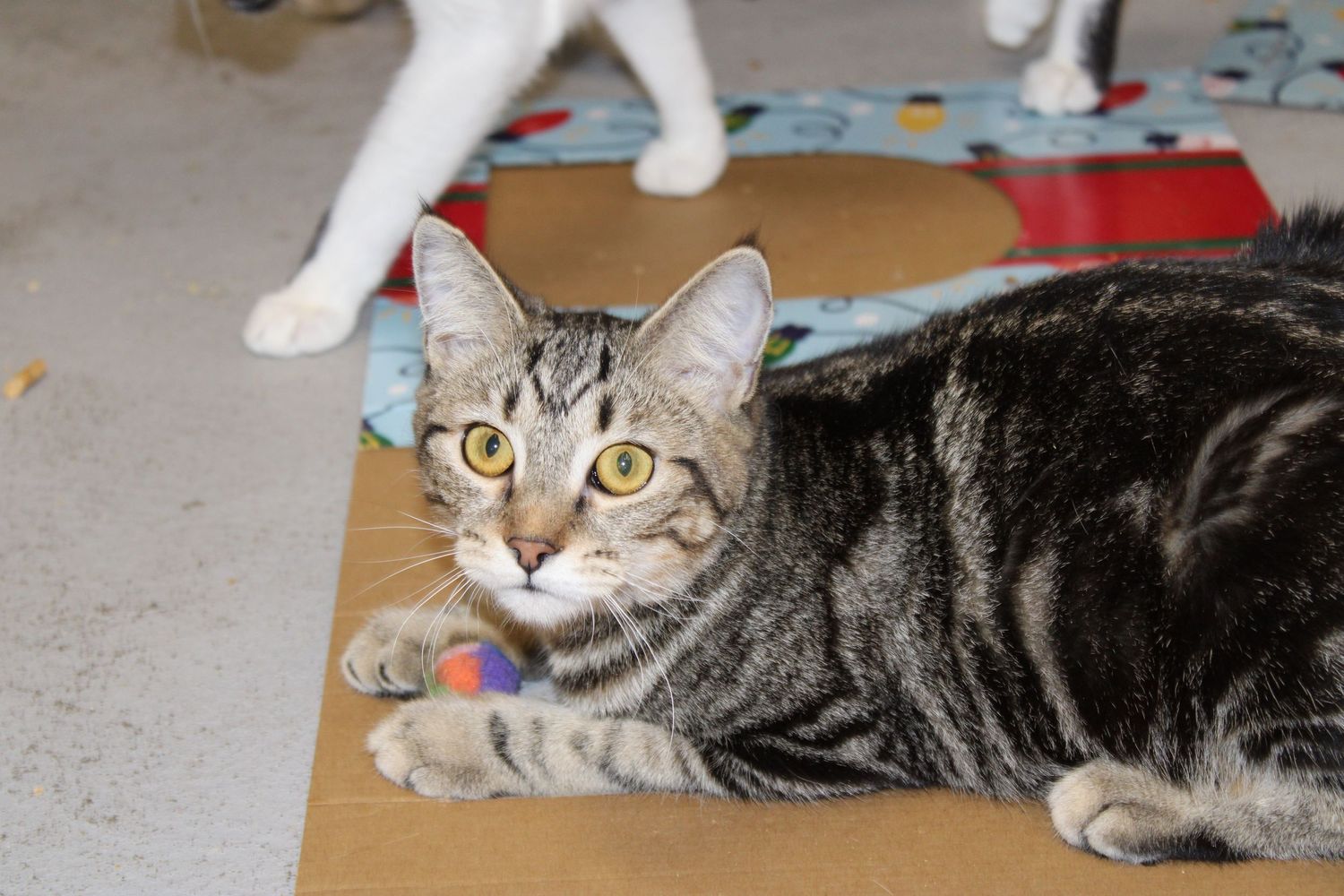
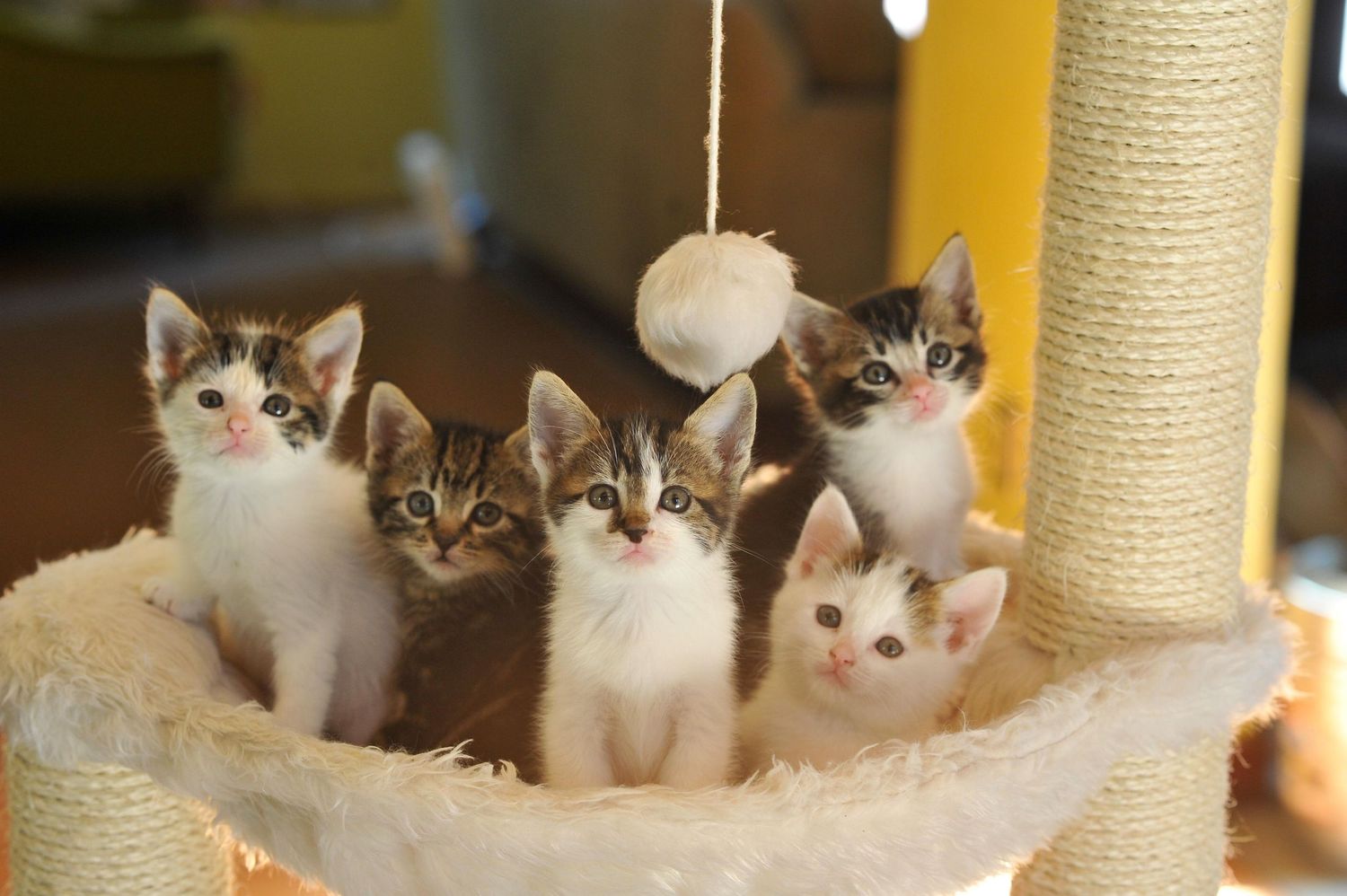
- Cats: a clowder, pounce or glaring; for kittens: a kindle, litter or intrigue
- Dogs: a litter (puppies), pack (wild) or cowardice (curs)
- Donkeys: a pace
- Elephants: a parade
- Elk: a gang
- Ferrets: a business
- Fox: a leash, skulk or earth
- Giraffes: a tower
- Goats: a tribe or trip
- Gorillas: a band
- Hippopotamuses: a bloat or thunder
- Hyenas: a cackle
- Jaguars: a shadow
- Kangaroos: a troop or mob
- Lemurs: a conspiracy
- Leopards: a leap
- Lions: a pride or sawt
- Martens: a richness
- Moles: a labor
- Monkeys: a troop or barrel
- Mules: a pack, span or barren
- Otters: a romp
- Pigs: a drift, drove, sounder, team or passel
- Porcupines: a prickle
- Porpoises: a pod, school, herd or turmoil
- Rabbits: a colony, warren, nest, down, husk or herd (domestic only)
- Rhinoceroses: a crash
- Squirrels: a dray or scurry
- Tigers: an ambush or streak
- Whales: a pod, gam or herd
- Wolves: a pack, rout or route (when in movement)
Birds
- Bitterns: a sedge
- Buzzards: a wake
- Bobolinks: a chain
- Coots: a cover
- Cormorants: a gulp
- Crows: a murder or horde
- Dotterel: a trip
- Doves: a dule or pitying (specific to turtle doves)
- Ducks: a brace, team, flock (in flight), raft (on water), paddling or badling
- Eagles: a convocation
- Finches: a charm
- Flamingos: a stand
- Geese: a flock, gaggle (on the ground) or skein (in flight)
- Grouse: a pack (in late season)
- Hawks: a cast, kettle (in flight) or boil (two or more spiraling in air)
- Herons: a sedge or siege
- Jays: a party or scold
- Lapwings: a deceit
- Larks: an exaltation
- Mallards: a sord (in flight) or brace
- Magpies: a tiding, gulp, murder or charm
- Nightingales: a watch
- Owls: a parliament
- Parrots: a pandemonium or company
- Partridge: a covey
- Peafowl: an ostentation or muster
- Penguins: a colony, muster, parcel or rookery
- Pheasant: a nest, nide (a brood), nye or bouquet
- Plovers: a congregation or wing (in flight)
- Ptarmigans: a covey
- Rooks: a building
- Quail: a bevy or covey
- Ravens: an unkindness
- Snipe: a walk or wisp
- Sparrows: a host
- Starlings: a murmuration
- Storks: a mustering
- Swans: a bevy, game or wedge (in flight)
- Teal: a spring
- Turkeys: a rafter or gang
- Woodcocks: a fall
- Woodpeckers: a descent
Reptiles & Amphibians
- Cobras: a quiver
- Crocodiles: a bask
- Frogs: an army
- Toads: a knot
- Turtles: a bale or nest
- Salamanders: a maelstrom
- Snakes, vipers: a nest
Fish
- Fish in general: a draft, nest, run, school or shoal
- Herring: an army
- Sharks: a shiver
- Trout: a hover
Invertebrates
- Bees: a grist, hive or swarm
- Caterpillars: an army
- Clams: a bed
- Crabs: a consortium
- Cockroaches: an intrusion
- Flies: a business
- Grasshoppers: a cloud
- Jellyfish: a bloom, fluther or smack
- Lobsters: a risk
- Oysters: a bed
- Snails: a hood
- Squid: an audience